Thermal Drone Roof Inspections: Finding Hidden Leaks Before They Become Costly Repairs
Your roof may look perfectly fine from the ground, but beneath the shingles, hidden moisture, deteriorating materials, and developing leaks could already be causing damage. By the time water stains appear on ceilings or walls, the problem may have been present for weeks or even months.
Traditional roof inspections rely heavily on what an inspector can see. While visual inspections remain important, they cannot always reveal what is happening beneath the roofing materials. This is where thermal drone technology changes the way roofs are inspected.
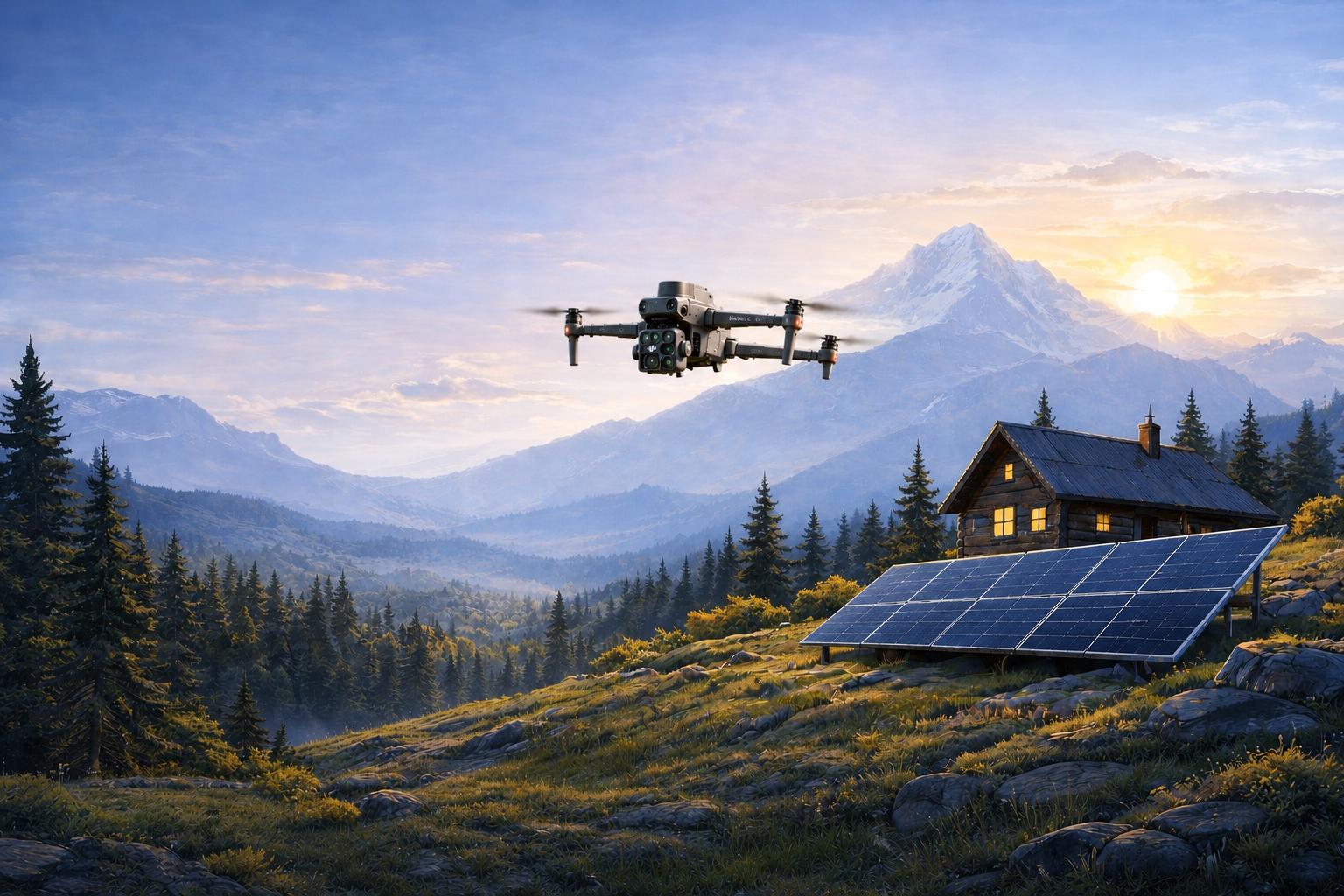
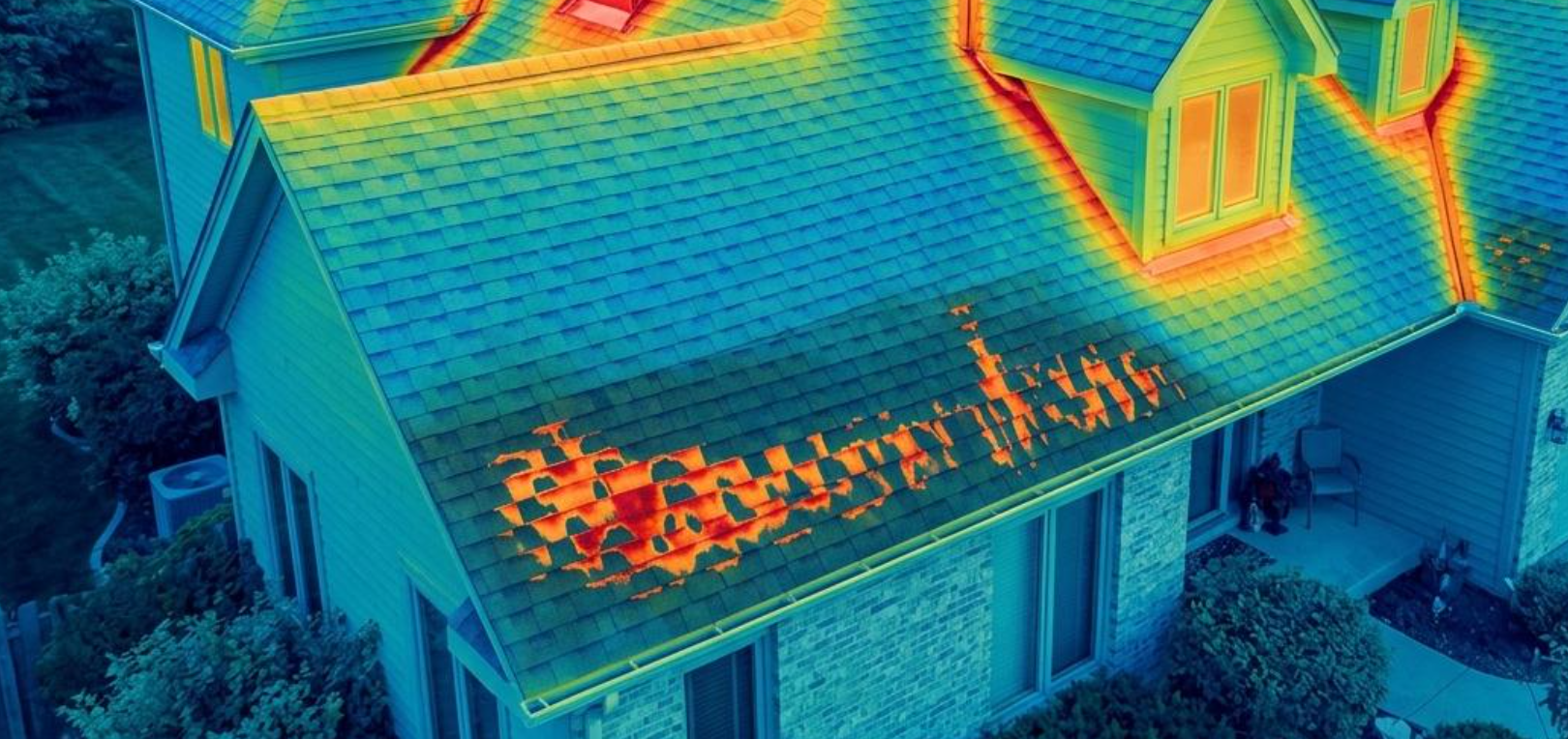
Using advanced infrared cameras mounted on drones, inspectors can examine large roof surfaces from above, identify unusual temperature patterns, and locate potential moisture-related problems without walking on the roof or disturbing its materials.
When moisture becomes trapped beneath roofing materials, it can change how an area absorbs, retains, and releases heat. These temperature differences may appear on an infrared image as distinct patterns, helping inspectors identify areas that deserve closer examination.
Some of the most common issues that thermal imaging can help identify include:
Hidden roof leaks and trapped moisture: Water entering through damaged shingles, flashing, roof valleys, or other vulnerable areas can accumulate beneath the roofing surface.
Leaks around chimneys and roof penetrations: Chimneys, plumbing vents, skylights, and other roof penetrations are particularly vulnerable to water intrusion. Improperly installed or deteriorating flashing can allow water to enter slowly, creating hidden moisture problems.
Insulation problems: Missing, damaged, or wet insulation can create unusual temperature variations across a roof.
Overall, thermal drone inspections offer homeowners a more comprehensive way to understand the condition of their roofs, identify potential problems early, and make informed decisions about maintenance and repairs.