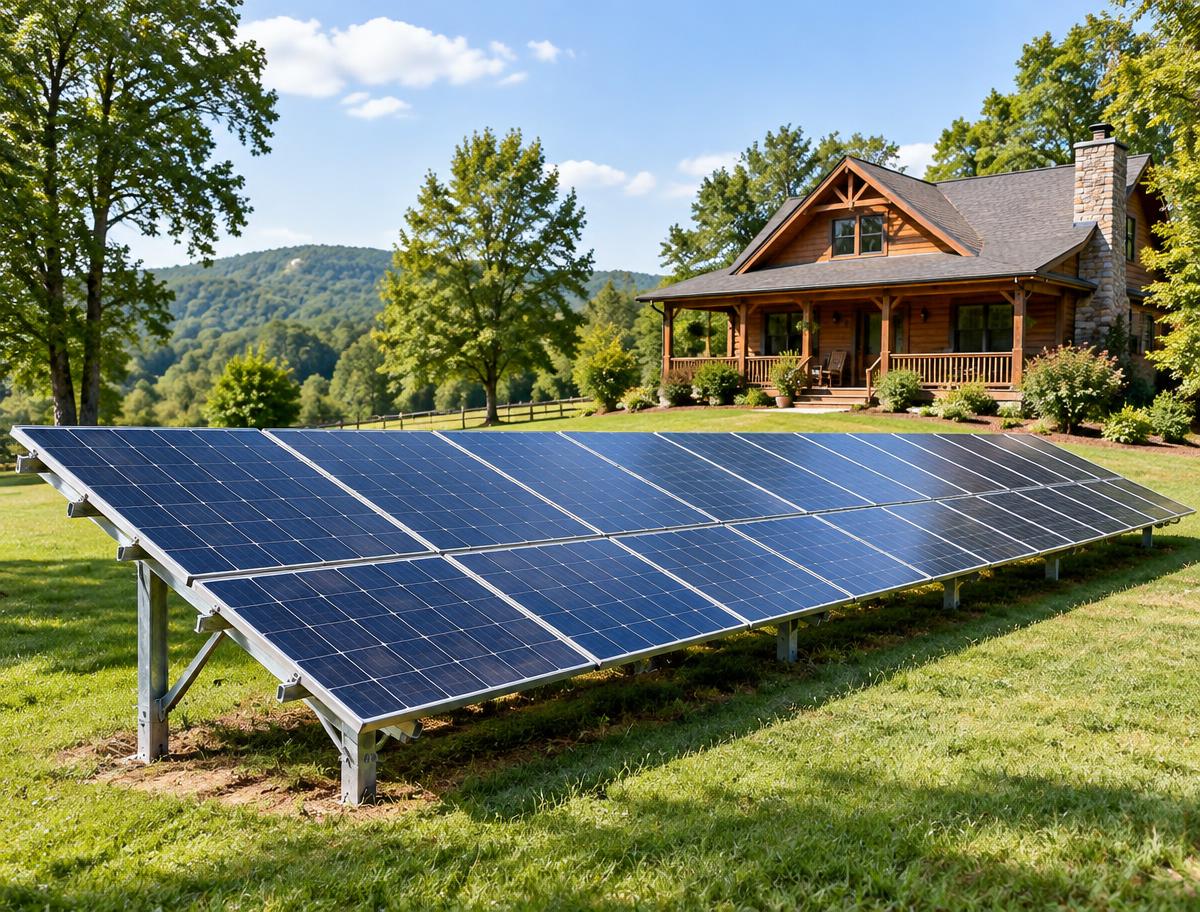
Energy independence
Make and store your own electricity, with no reliance on a utility or a line running up the road.
See how it works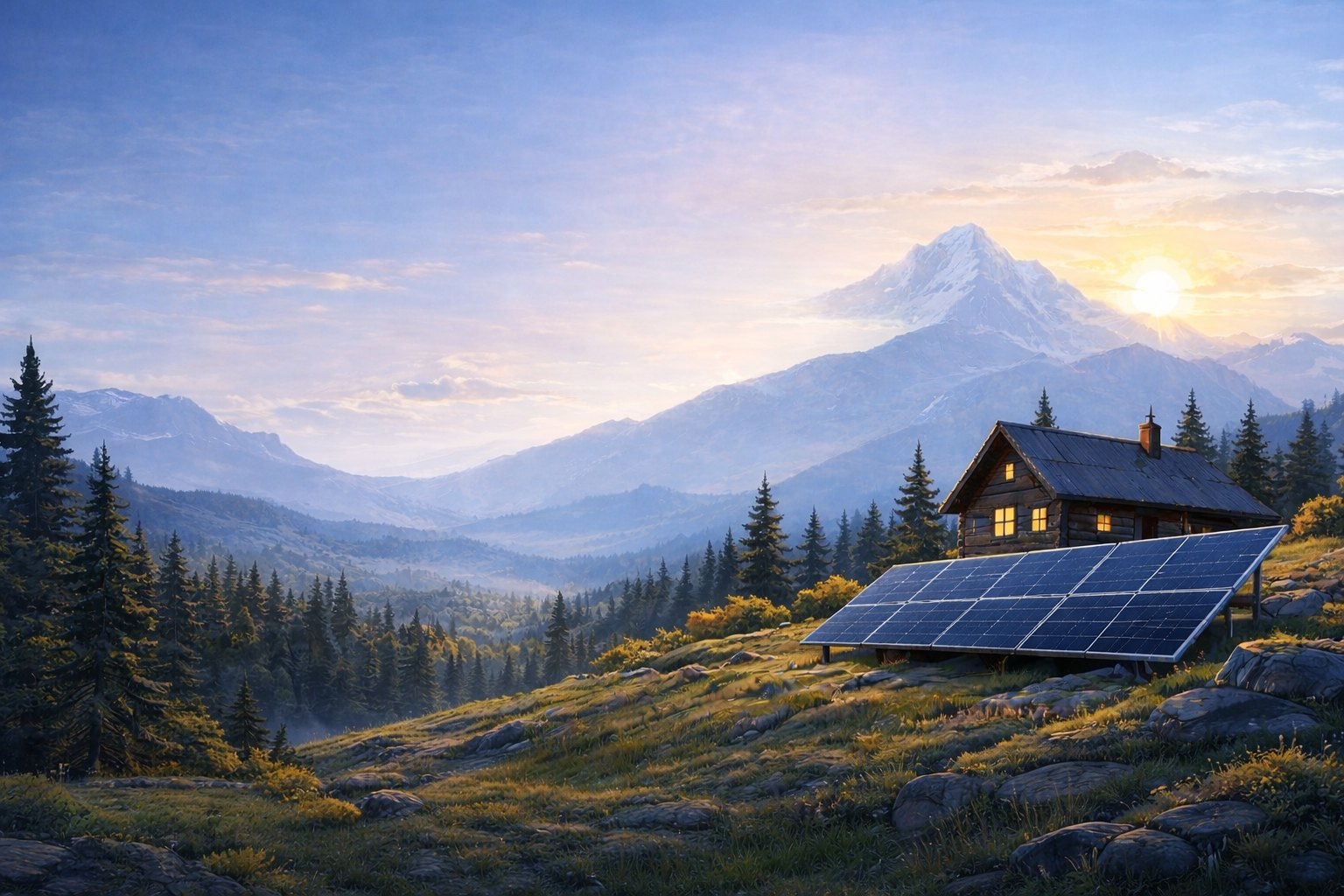
Proudly serving off-griders, homesteaders, and everyone else interested in the above the ground perspective in North Carolina.
Your own panels, your own batteries, your own power. Here is what that means for a home in the Carolinas.
Make and store your own electricity, with no reliance on a utility or a line running up the road.
See how it works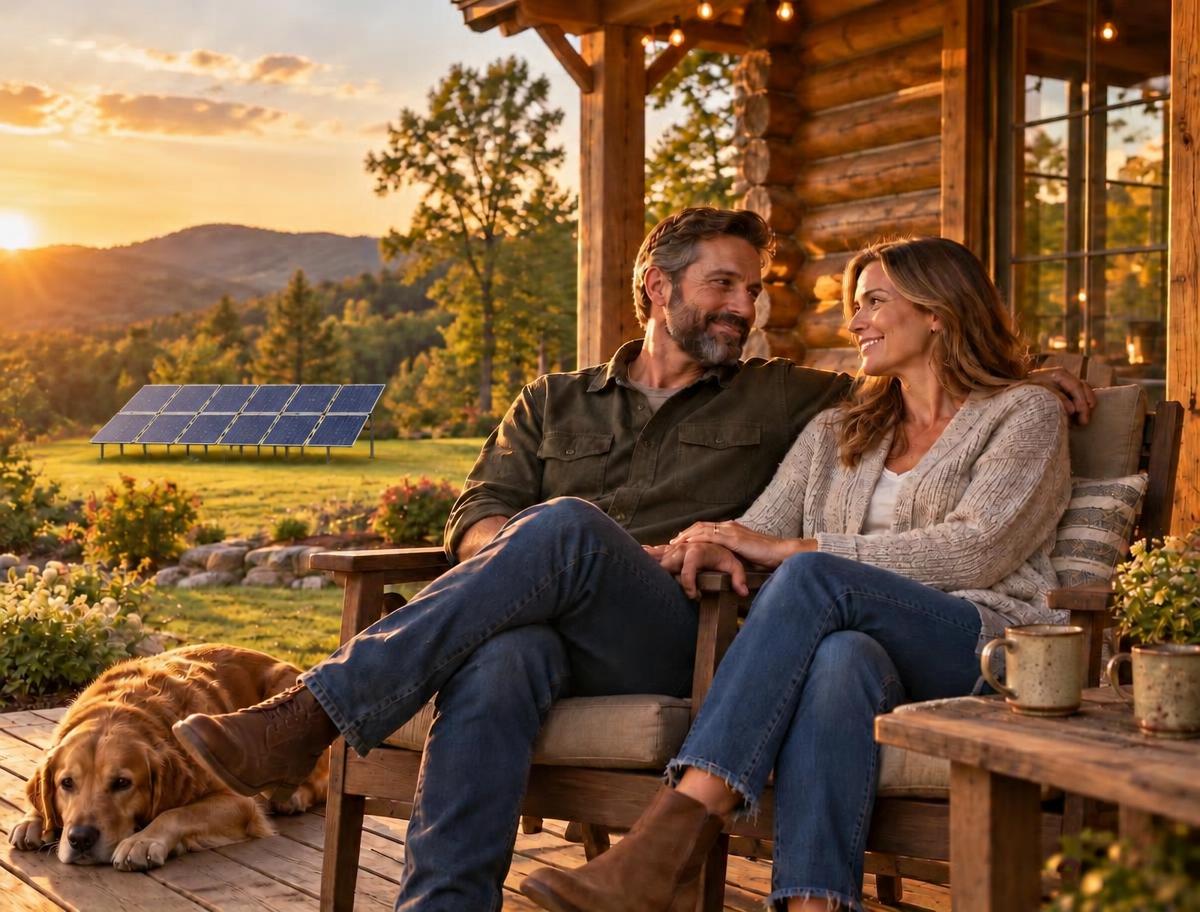
Build where you want. A remote cabin or homestead does not need a power line to have power.
Estimate your system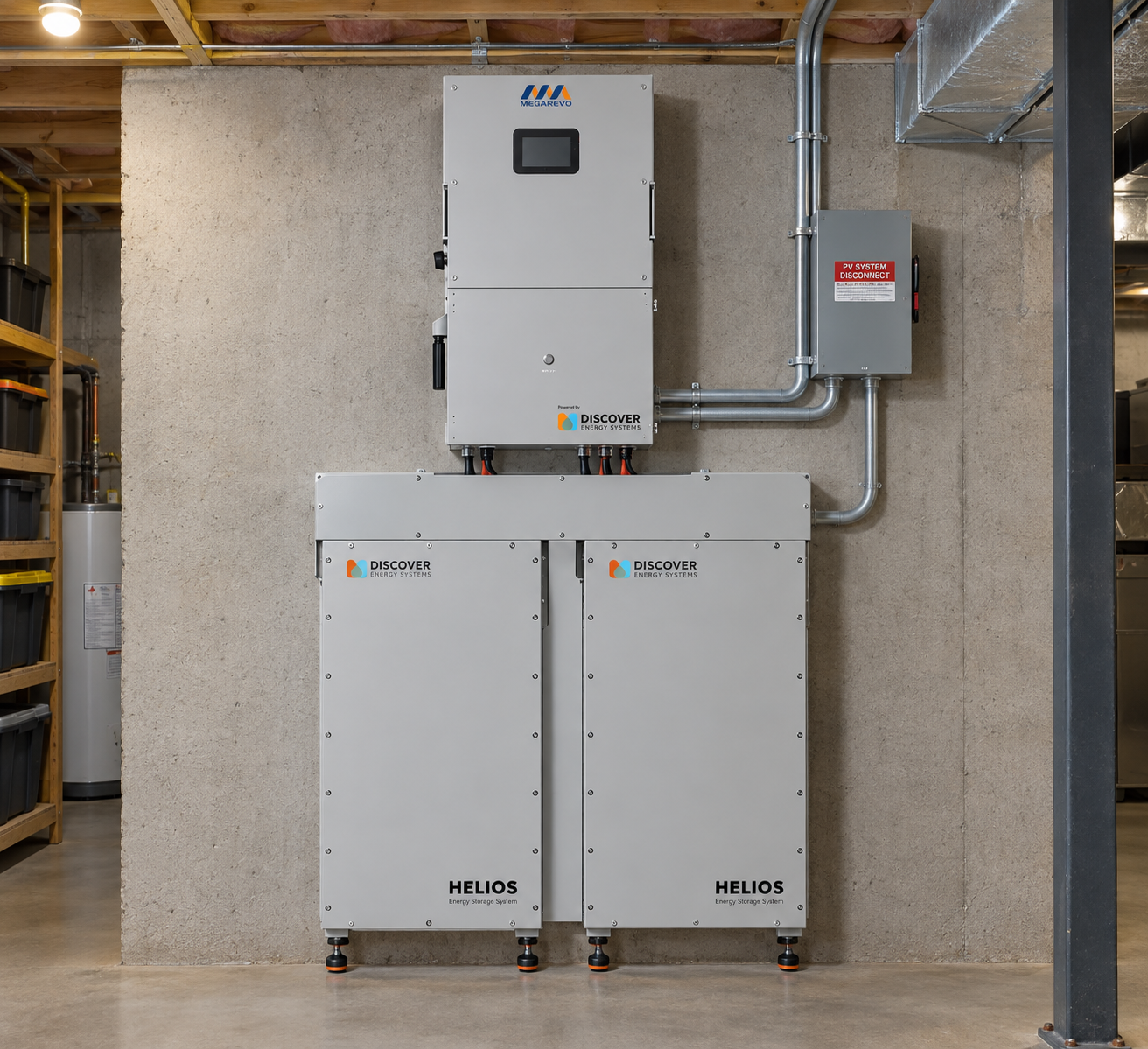
When storms bring lines down, your batteries keep the lights, fridge and well pump running.
See how it works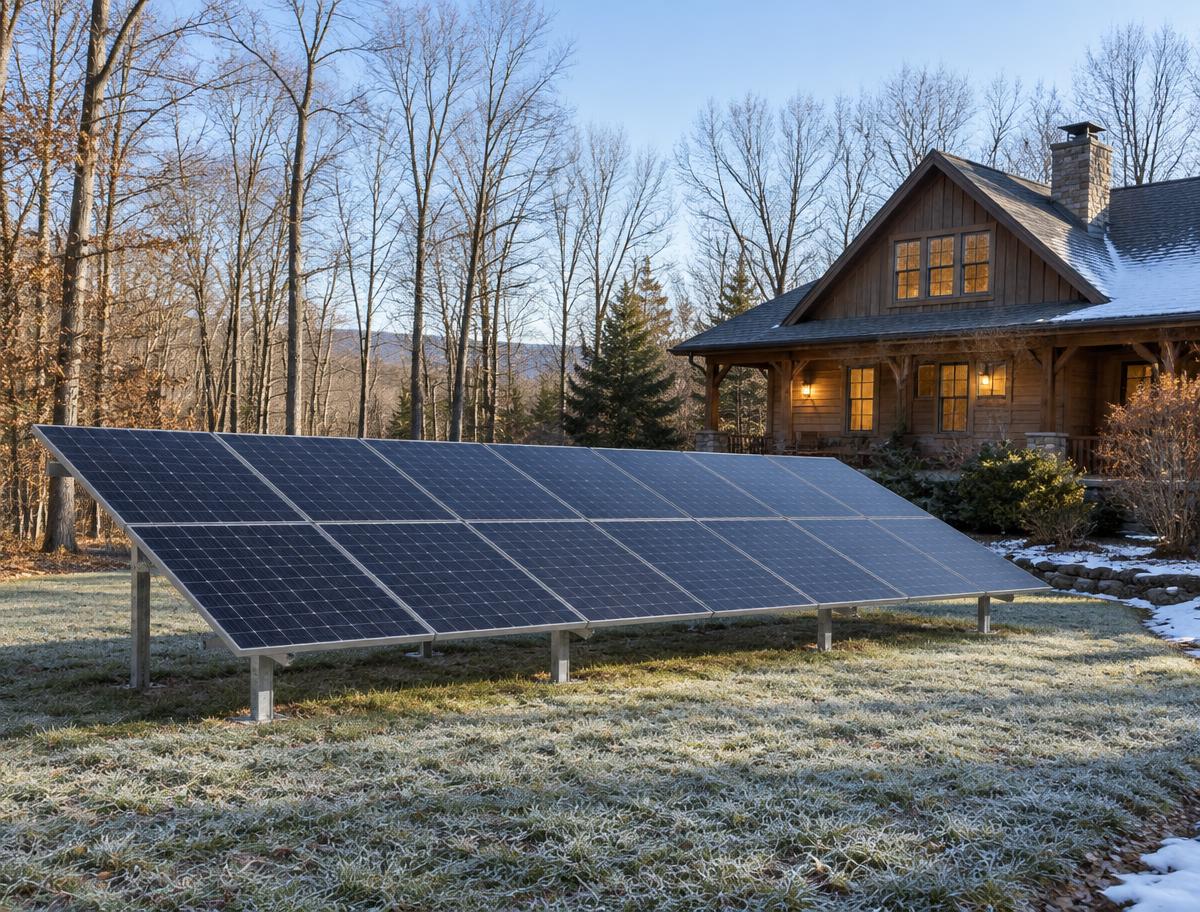
The Carolinas gets about 3 peak sun hours in winter. Panels and batteries are sized for short days, not July.
Try the estimator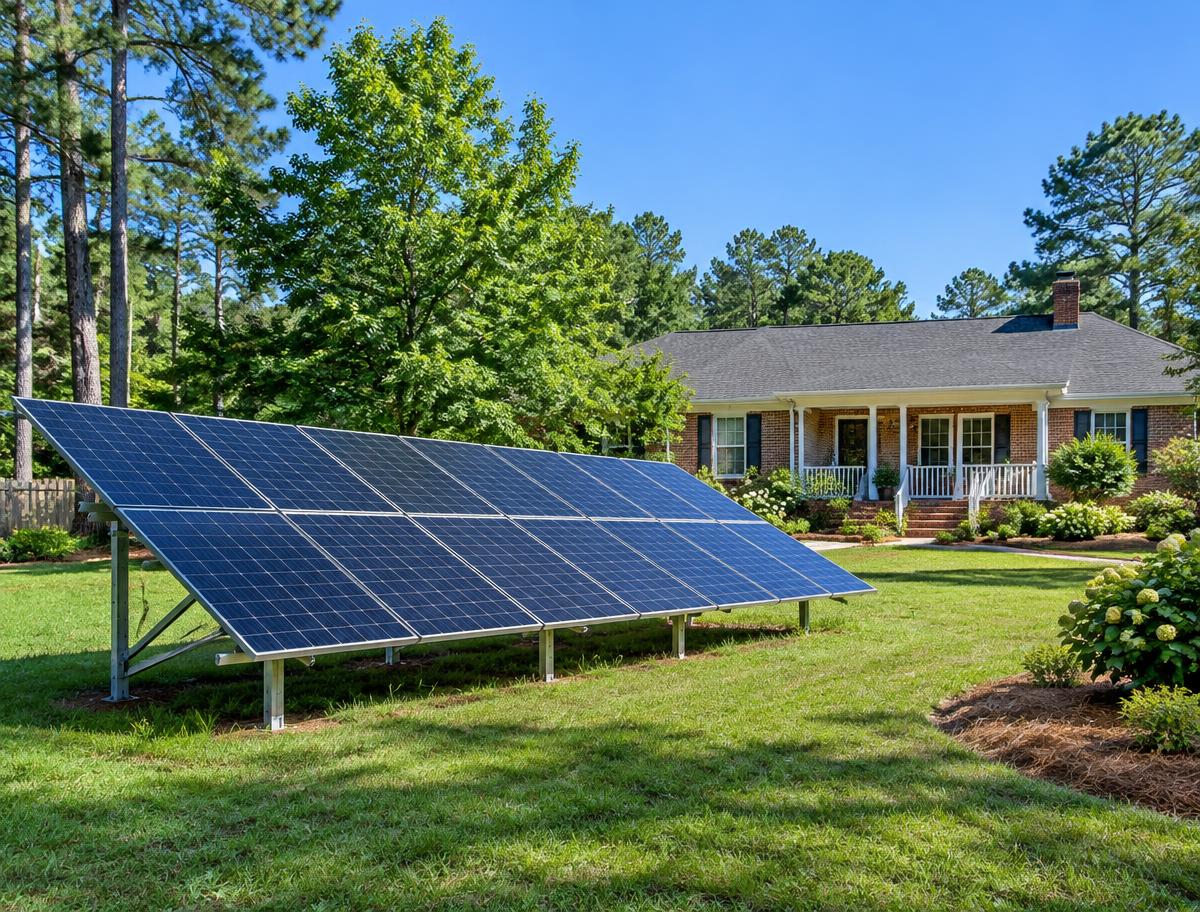
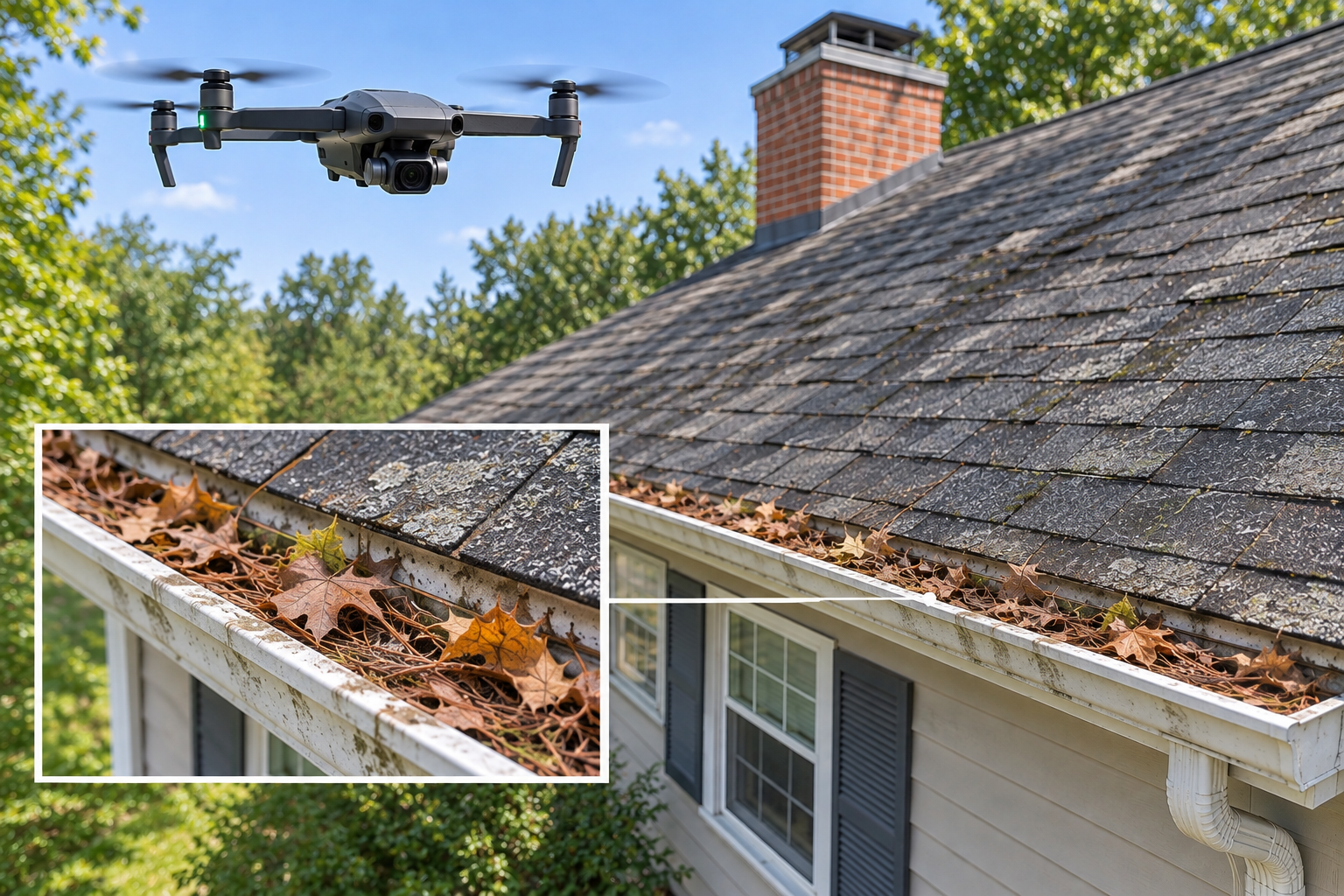
Your roof and gutters are your home's first line of defense against the elements, but problems often go unnoticed until they result in costly repairs.
Read more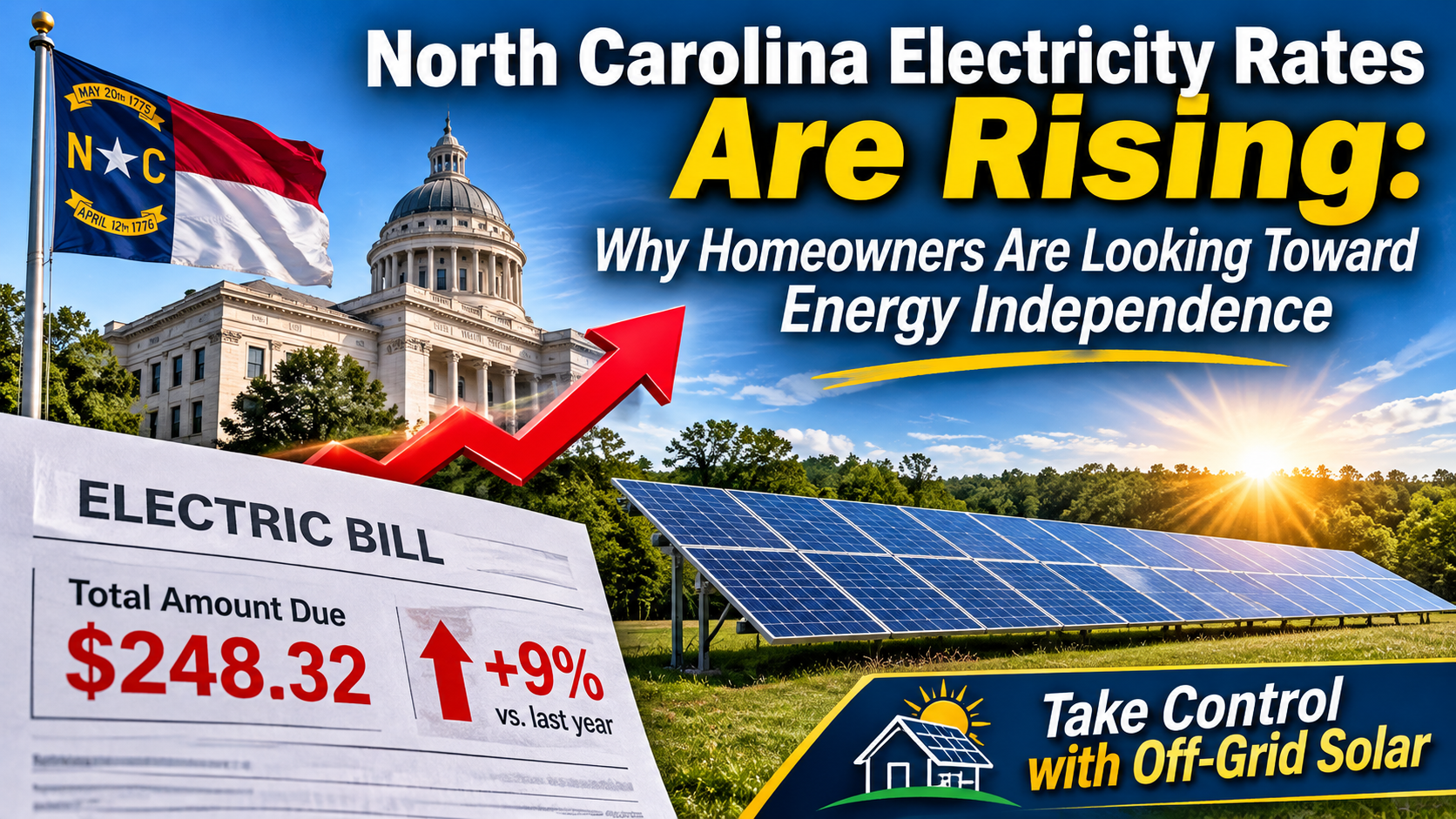
As Duke Energy seeks higher rates, a Raleigh discussion highlights competing ideas about how to meet growing electricity demand without passing unnecessary costs to customers. North Carolina needs more electricity to power its growing population, businesses and data centers. But as utility bills rise, lawmakers disagree over which energy sources will keep costs down — and who should pay for new infrastructure.
Read more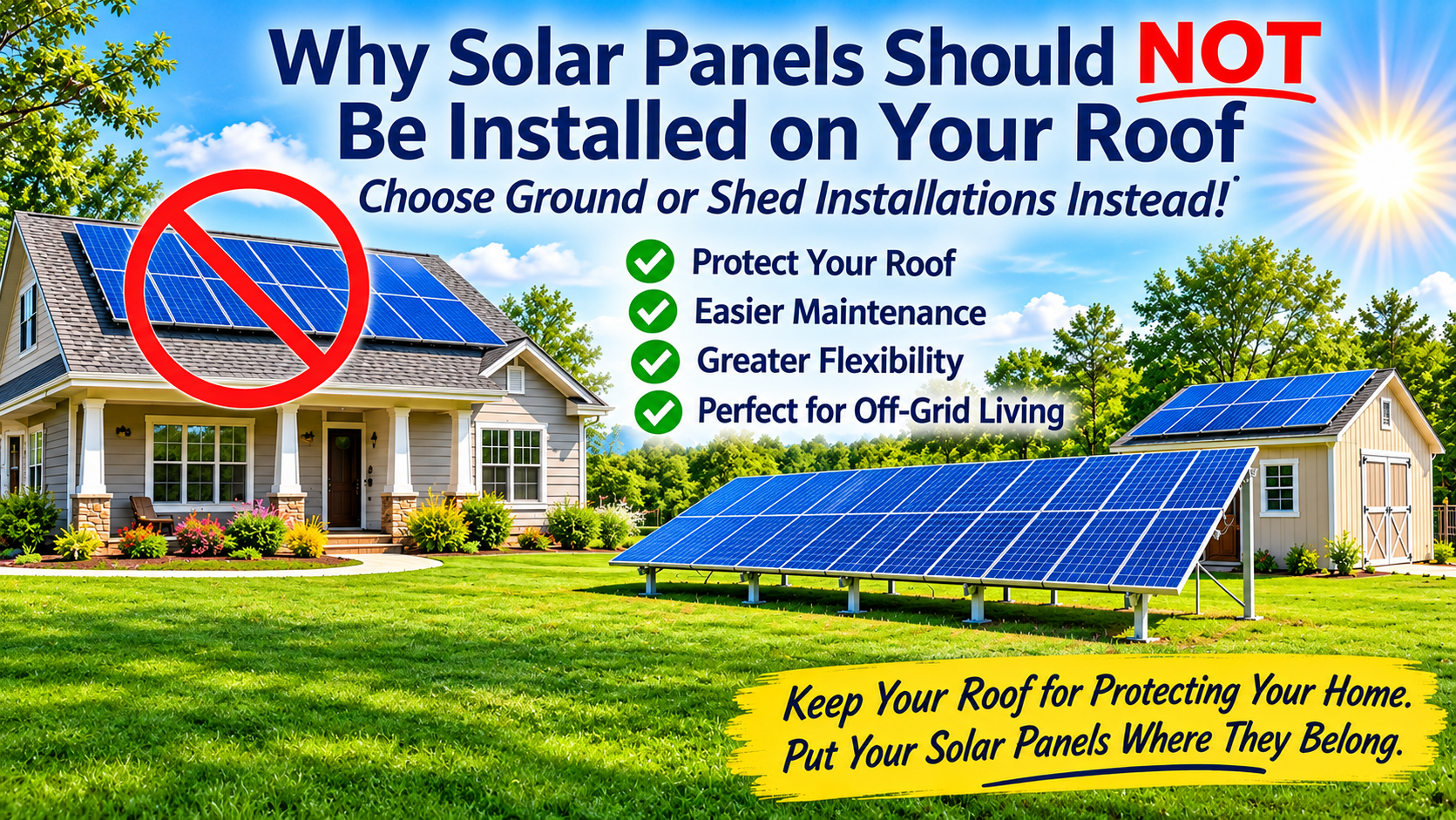
Protecting your home, simplifying maintenance, and achieving energy independence starts with one important decision: where to install your solar panels.
Read more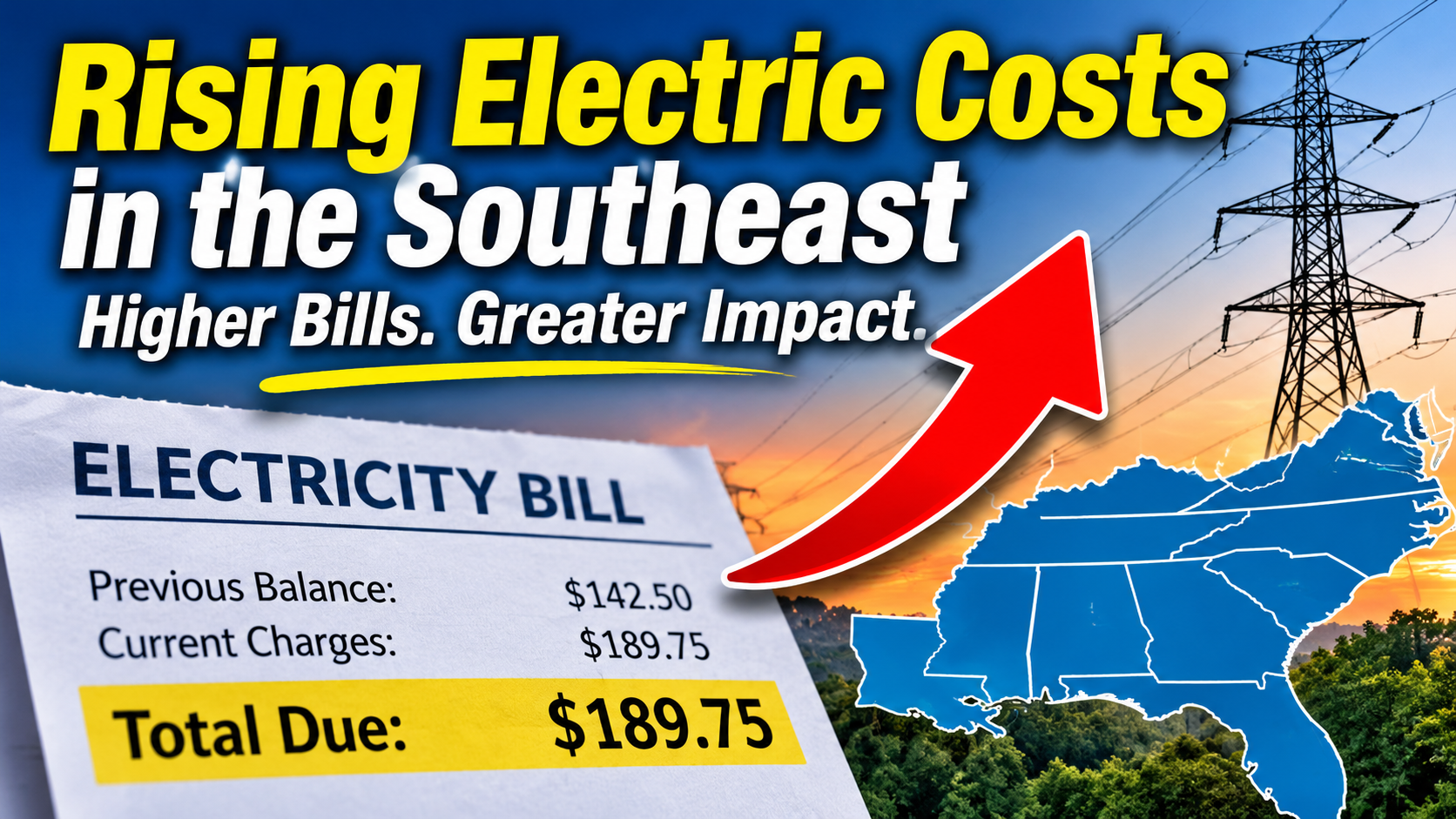
Electric bills keep going up—seemingly with no limit in sight. New federal research suggests that residential rates across the U.S. rose, on average, 10.2 percent between March 2025 and March 2026, and some states saw much bigger jumps.
Read moreAfter Hurricane Helene in September 2024, hundreds of thousands of homes in the North Carolina mountains lost power, and some waited weeks for it to come back.
An off-grid home has no line to come down. The batteries carry the house through the storm, and the panels recharge them when the sun comes back.
See what an outage looks like off-gridEvery property is different. These ranges show what a typical system looks like for each kind of place.
Lights, a fridge, a few outlets and a small pump.
Everyday living with a well pump, efficient appliances and tools.
A full-size house with ordinary appliances, run year-round.
kW is how much power flows at once, like how wide a hose is. kWh is how much energy you use or store over time, like how much water is in the bucket.
For scale, 1 kWh runs a fridge for most of a day or charges a phone about 80 times. An average US home uses about 29 kWh a day. Panel counts assume 430 W panels.
Typical ranges. Every system is quoted after a free site visit.
Estimate your systemCall or text to get started with your project!